Image 1 of 12
Image 2 of 12
Image 3 of 12
Image 4 of 12
Image 5 of 12
Image 6 of 12
Image 7 of 12
Image 8 of 12
Image 9 of 12
Image 10 of 12
Image 11 of 12
Image 12 of 12
KNITTING PATTERN -- Lille Ray Cardigan - P290
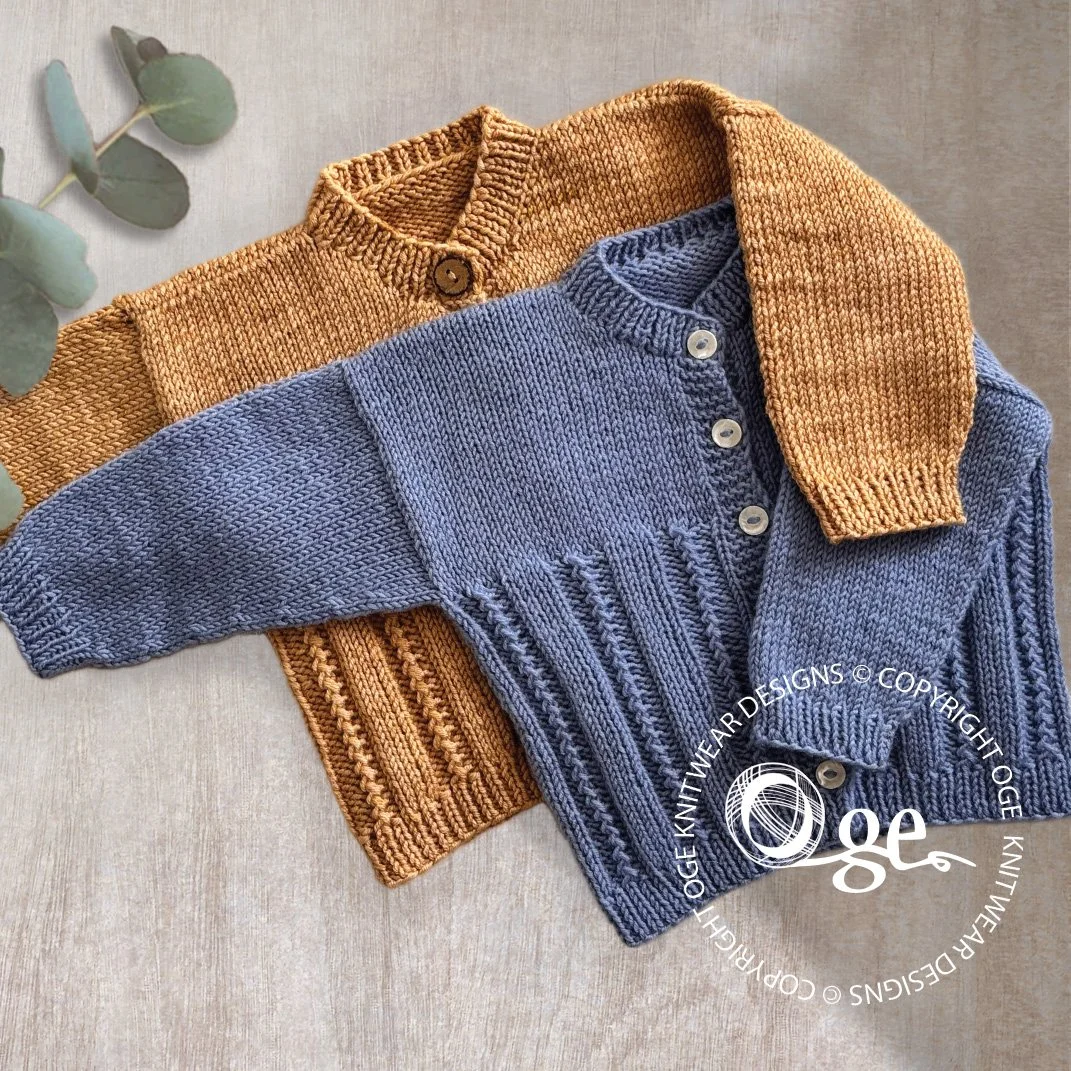
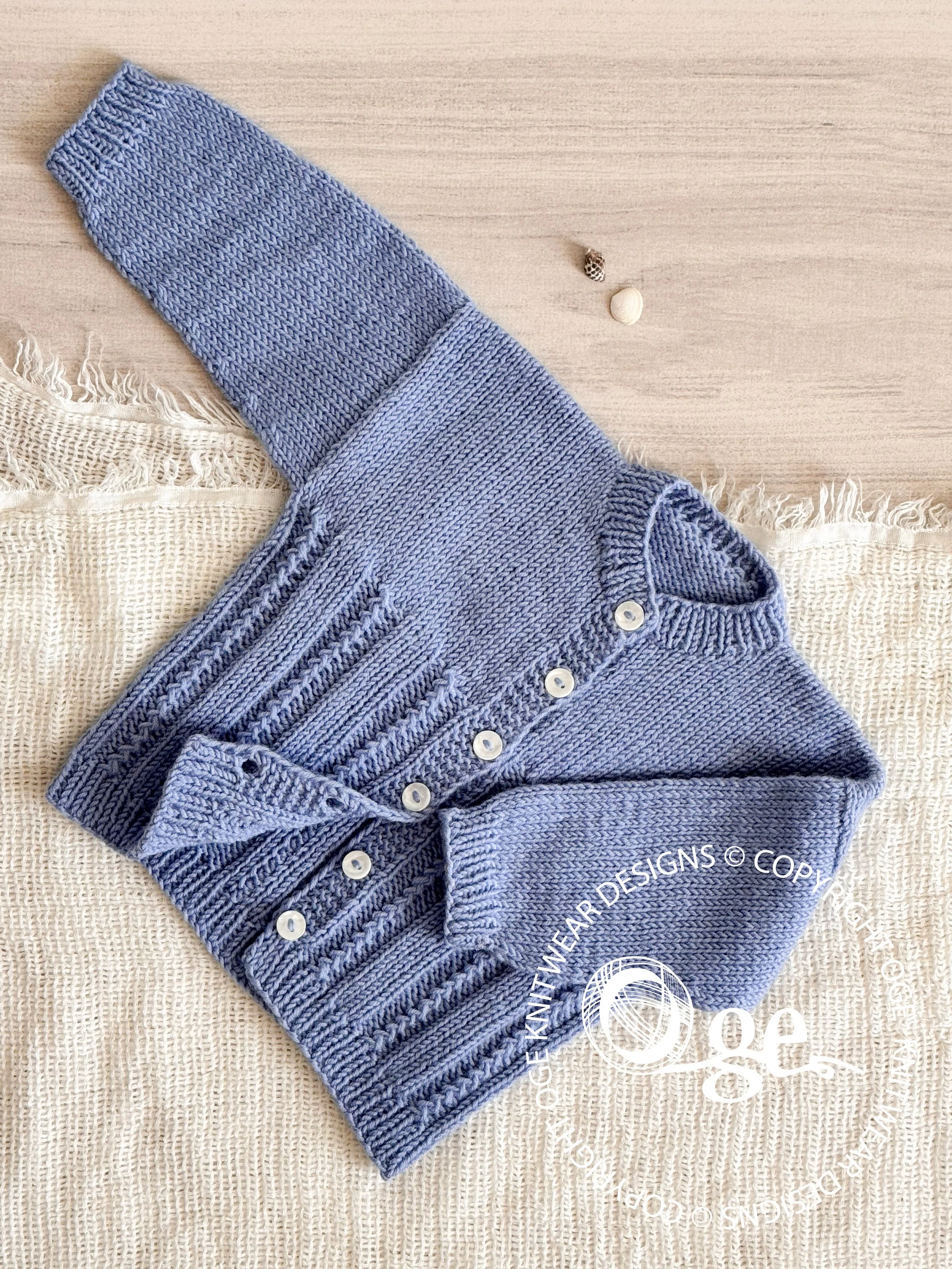
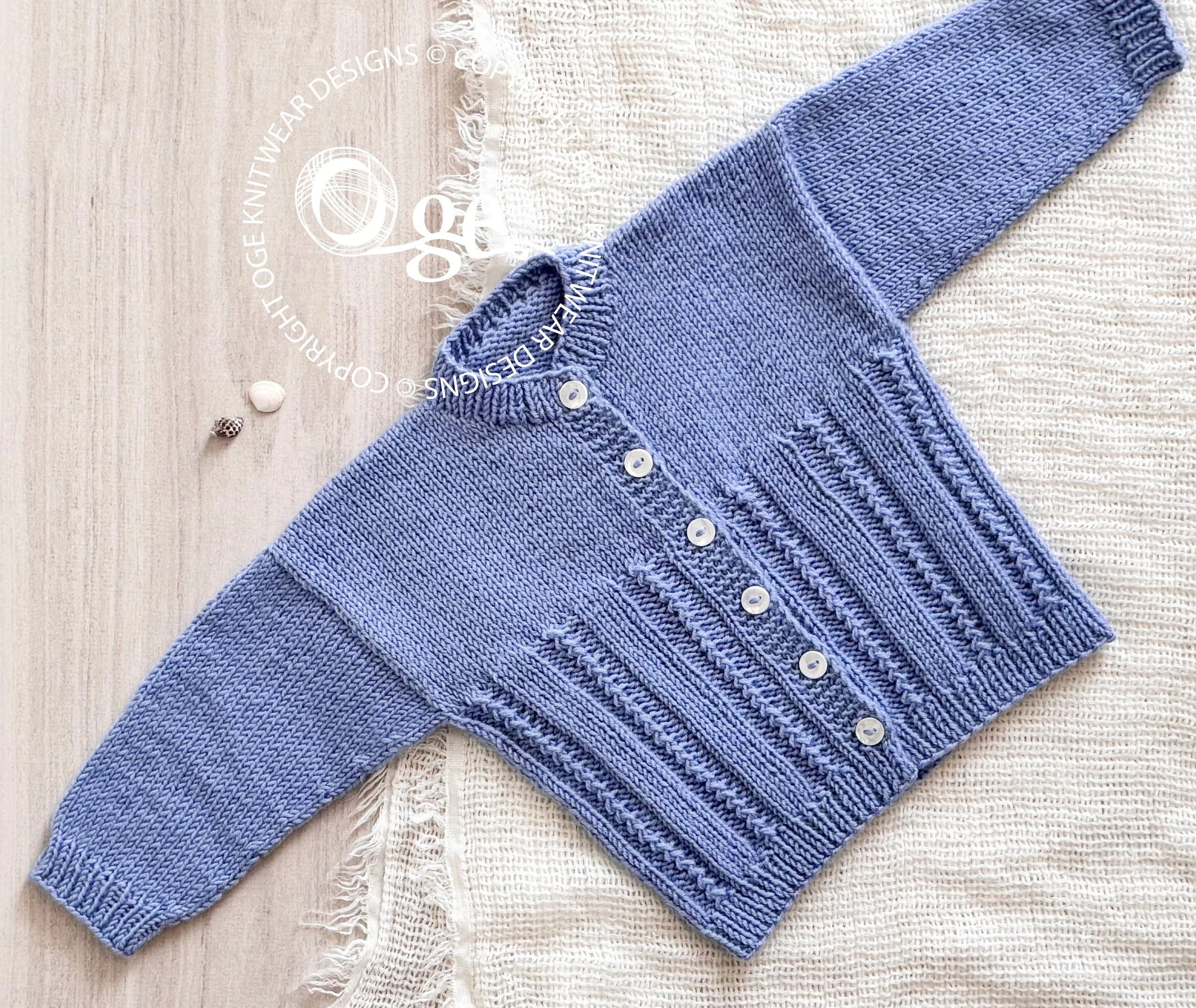
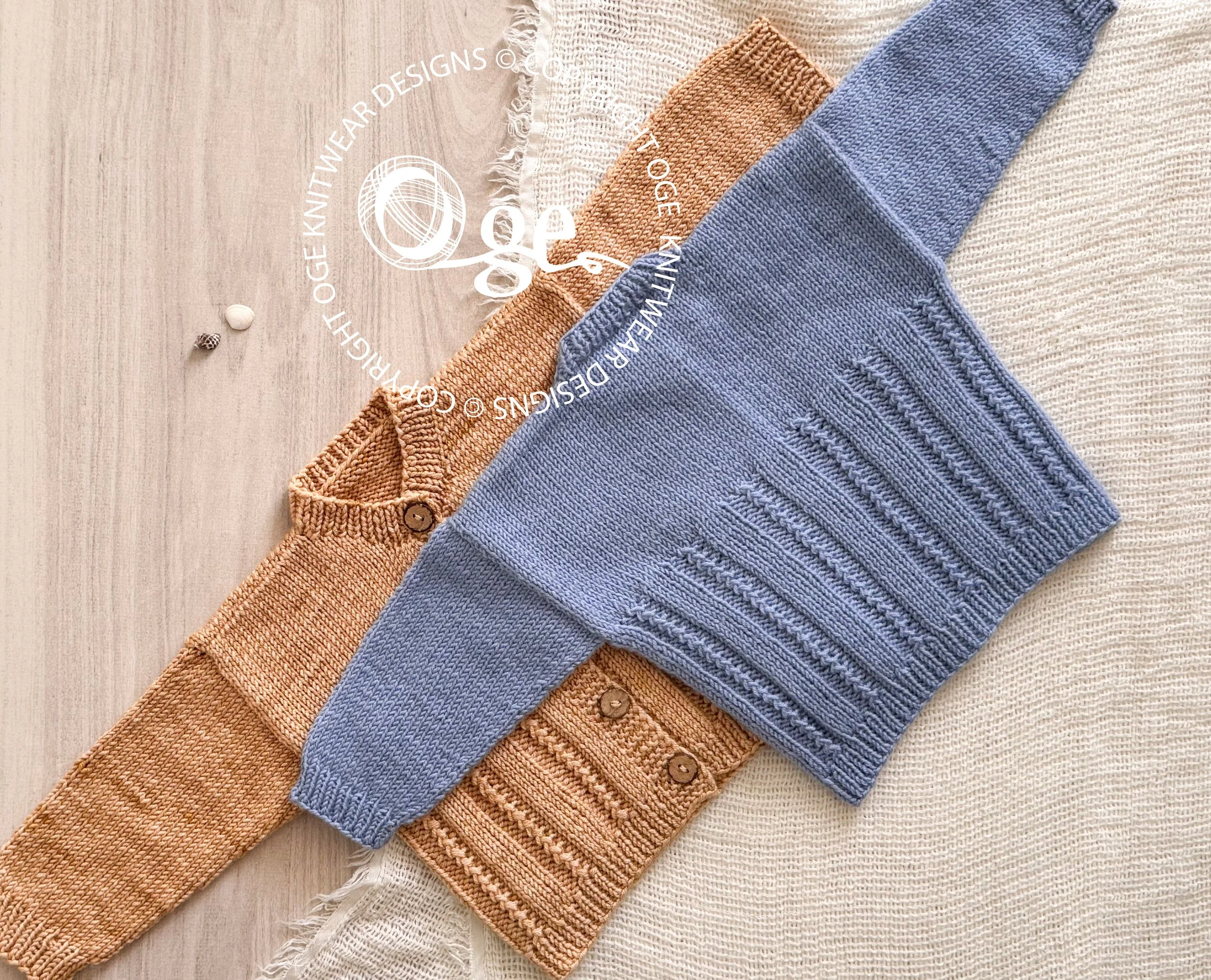
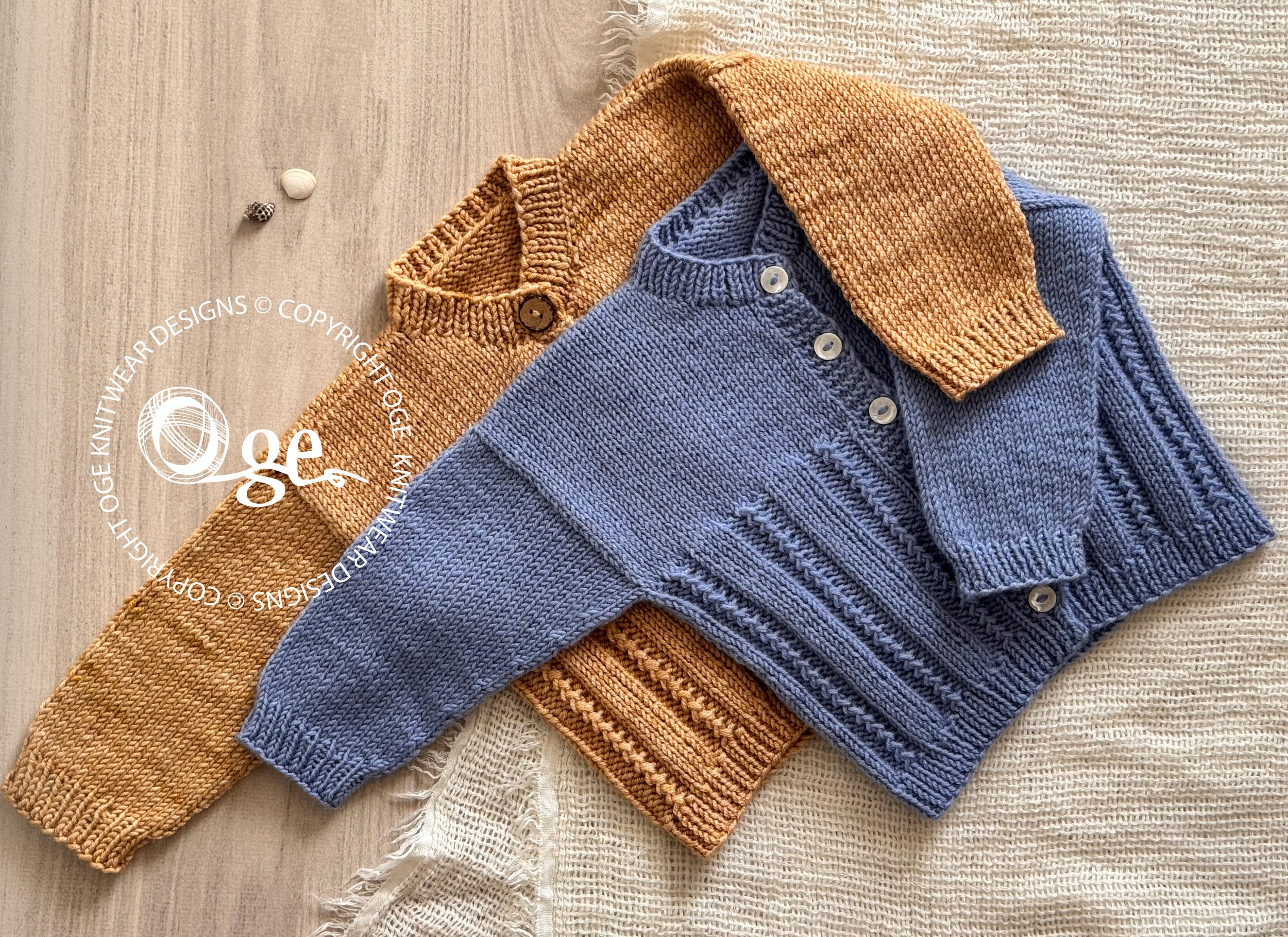
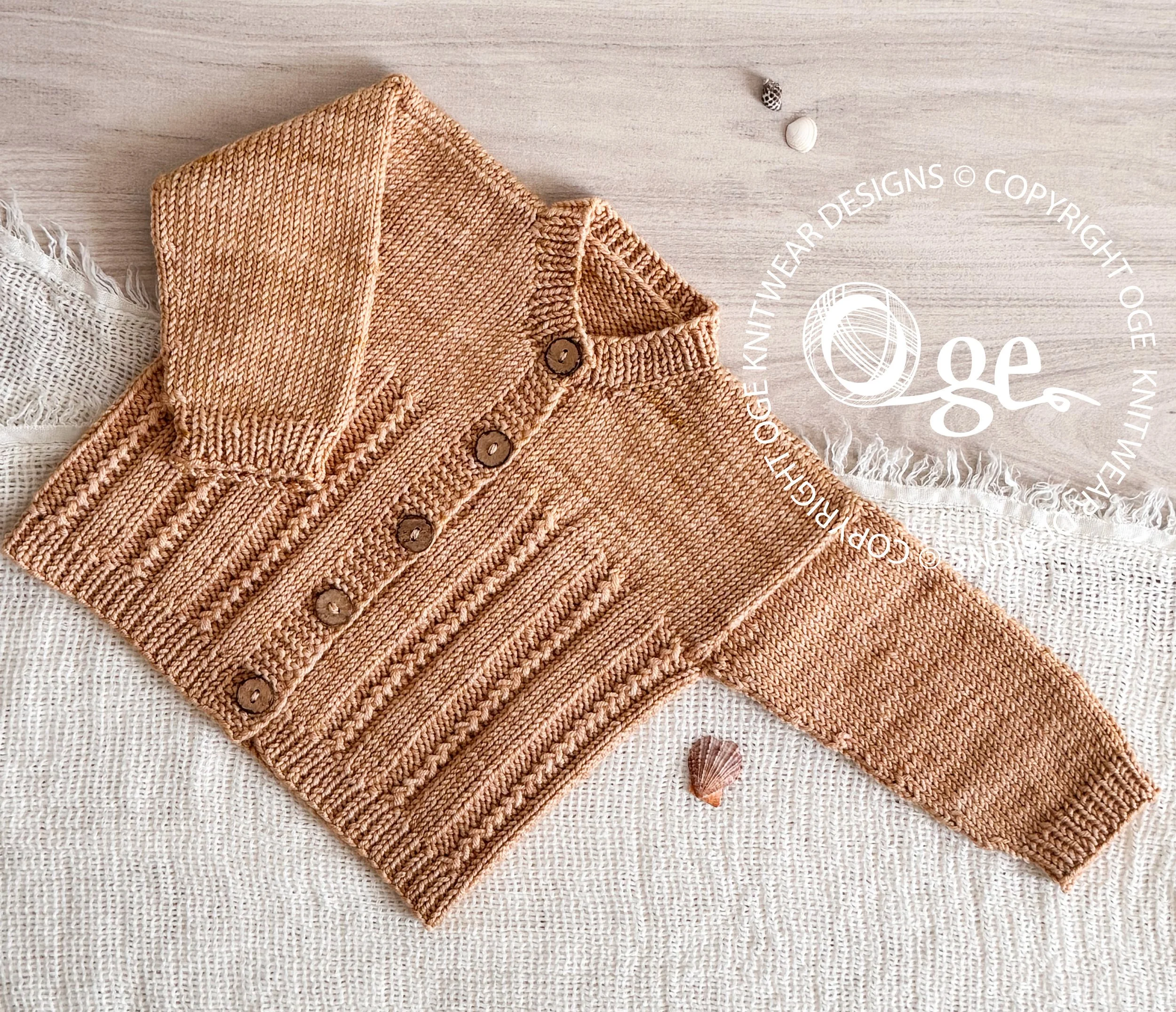
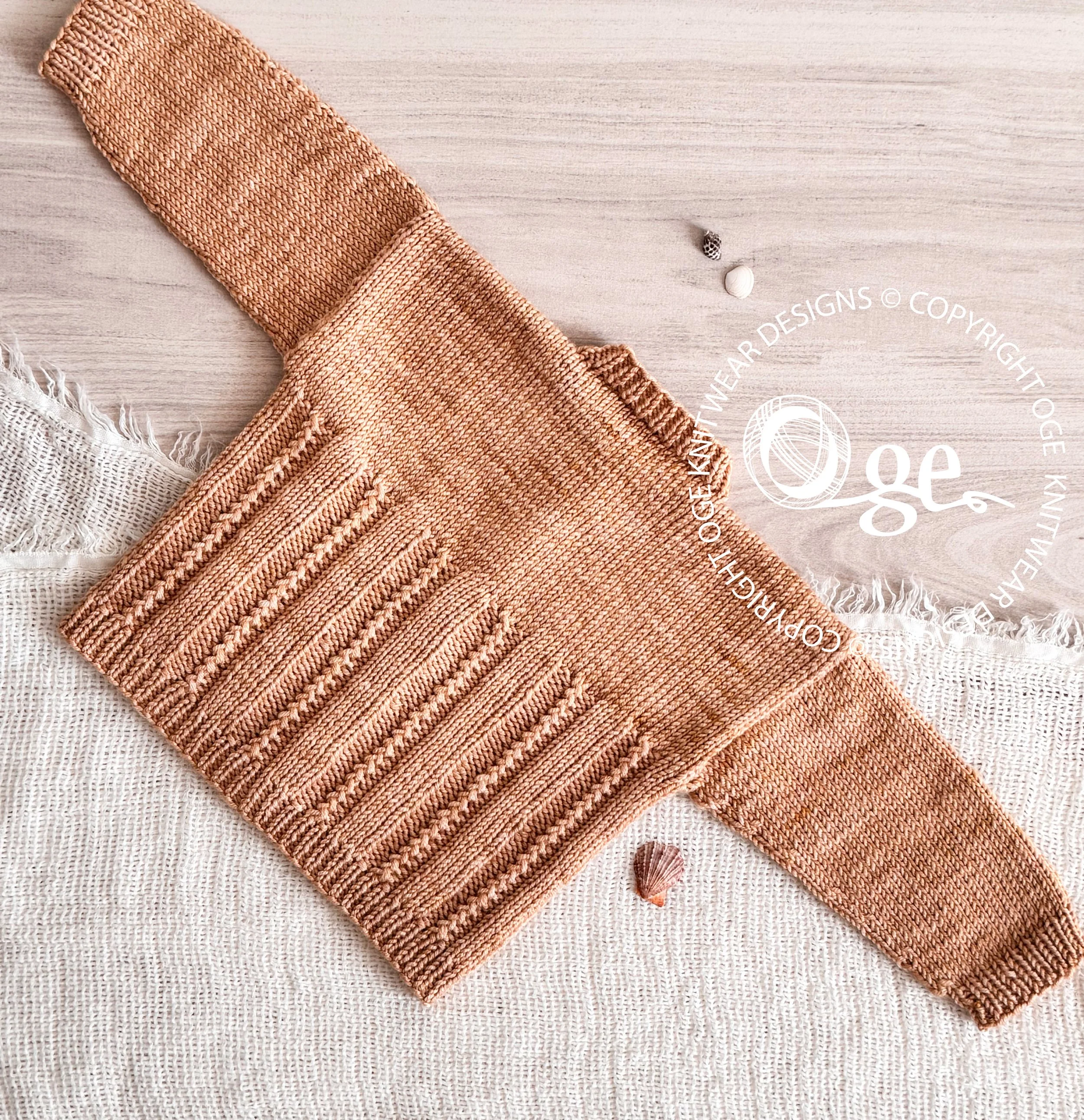
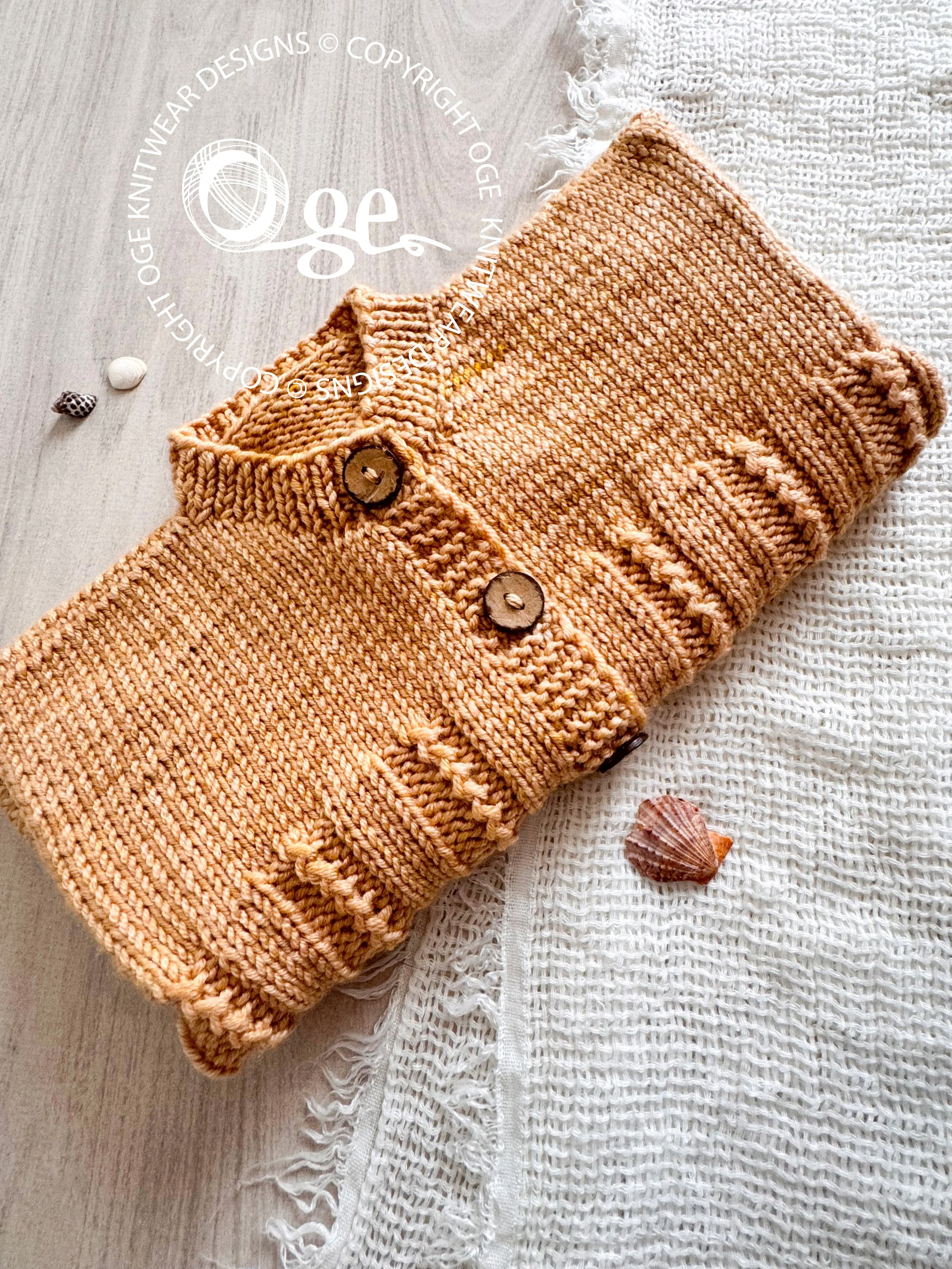
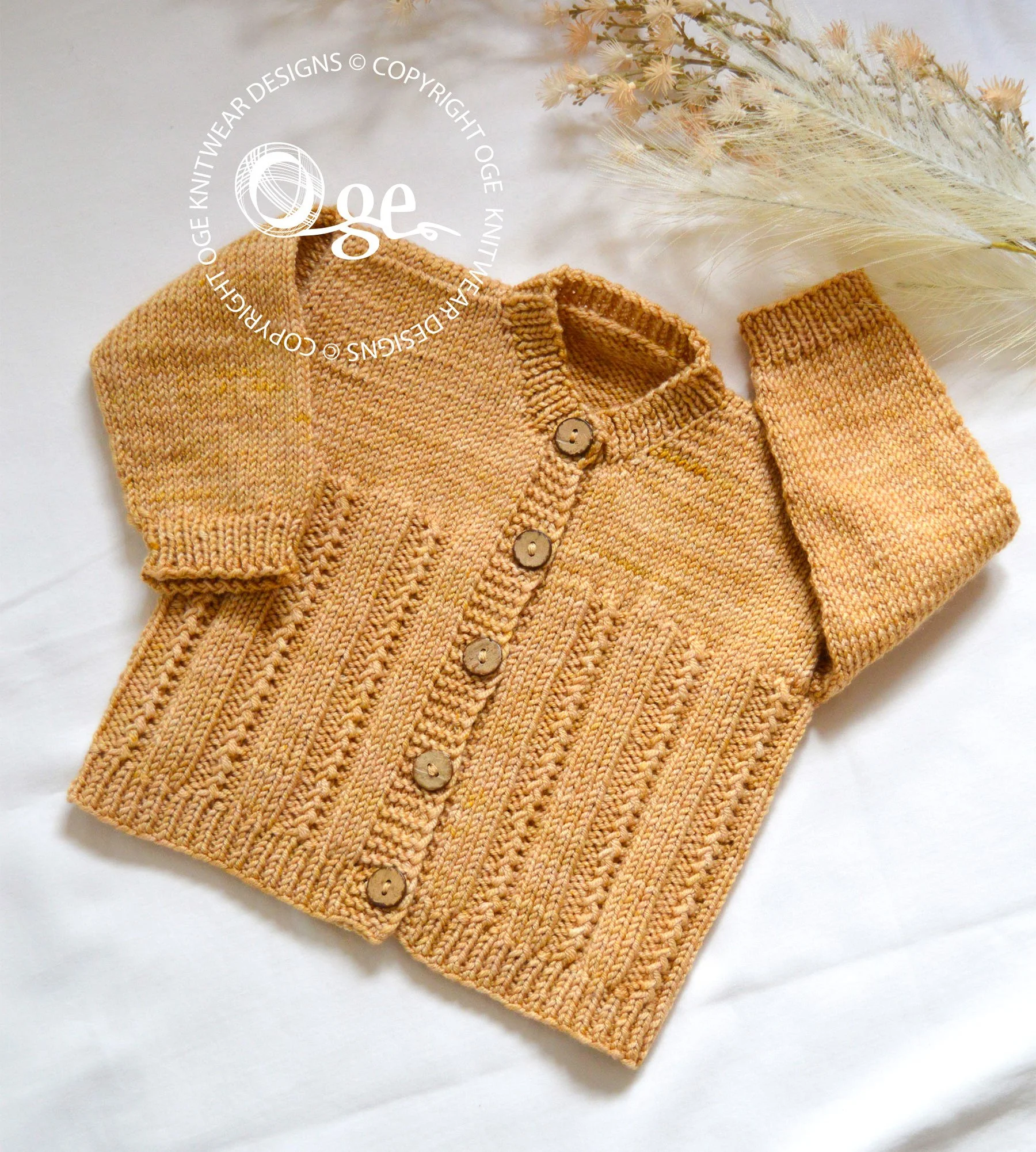
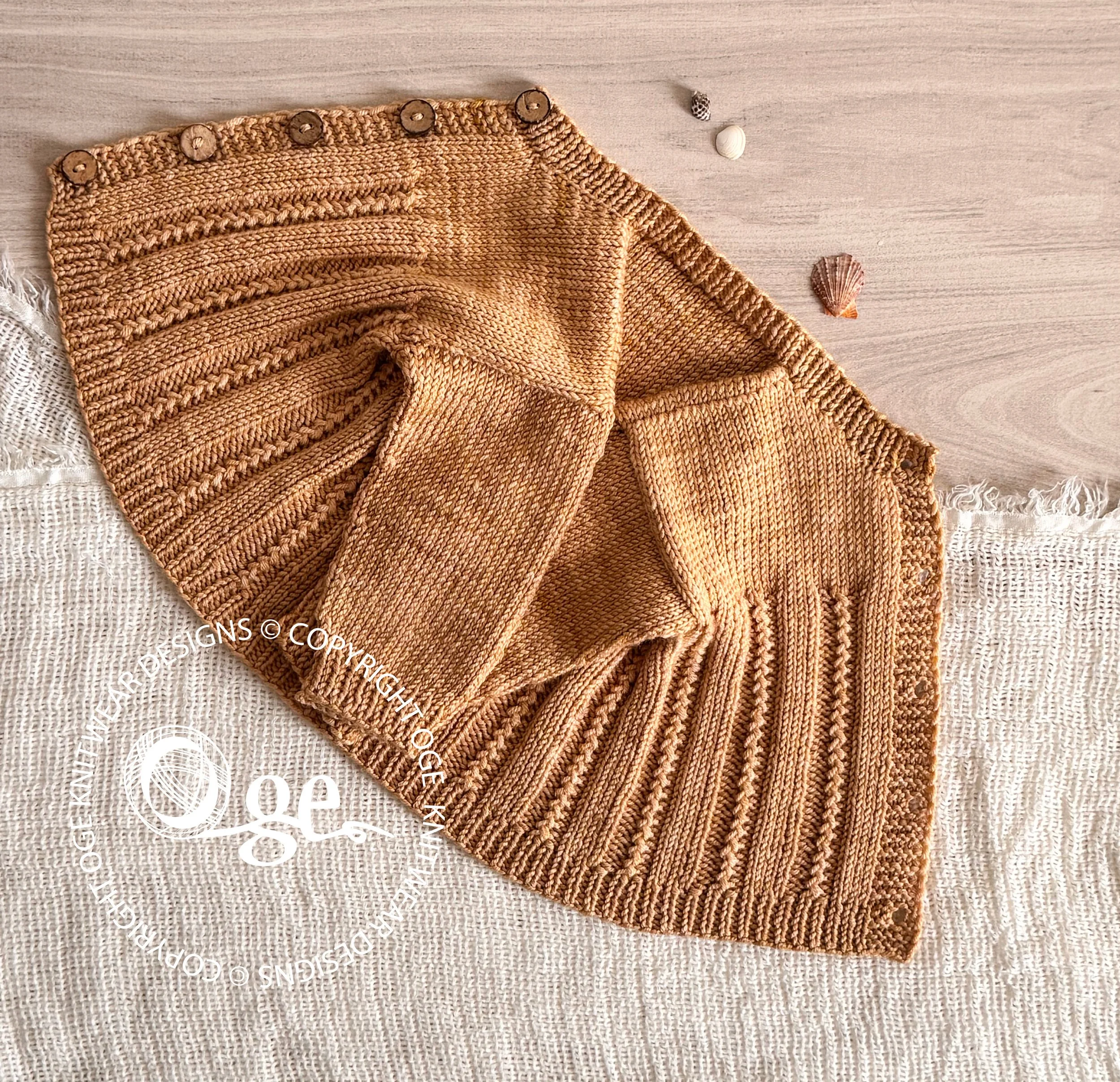
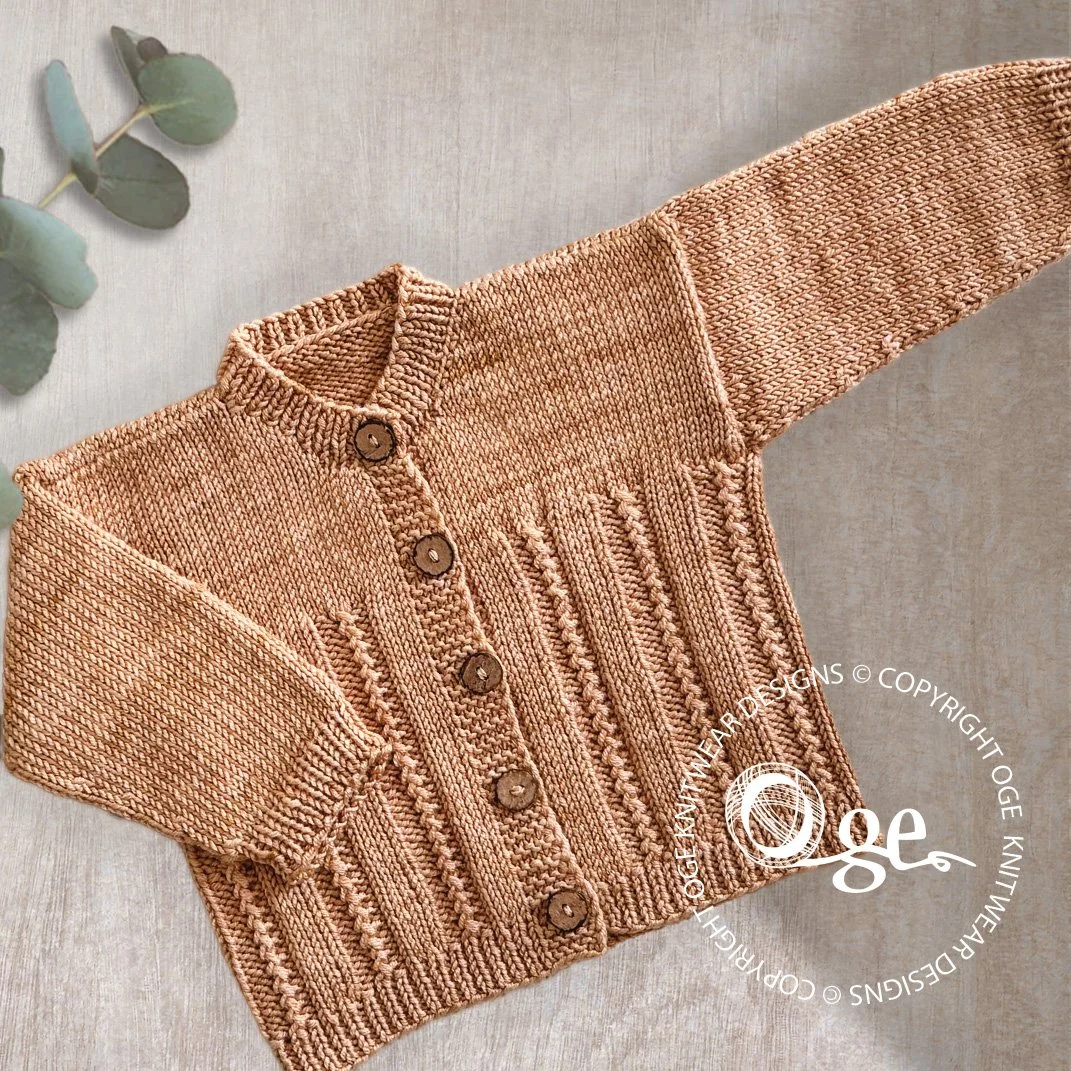
This Drop Shoulder Cardigan is worked from the top down (no seaming required), worked in stocking stitch with a simple and easy to memorise pattern on the bottom half of the Cardigan. Once you have reached the back yoke underarm, stitches are placed on a stitch holder or scrap piece of yarn. Stitches are then picked up and knitted for each shoulder, and then joined to form the front yoke. The front and back yoke are then joined to form the body. You will then commence the textured pattern for the bottom half of this Cardigan.
Sleeve stitches are picked up around the sleeve opening and worked in the round, down to the cast off Rib. You can use double pointed needles or the Magic Loop technique. Stitches are then picked up around the neckline and worked in a Rib Pattern.
**I strongly suggest working up a swatch to determine which needle size will give you the correct gauge / tension. The stitch gauge needs to be correct to ensure your sweater has the same measurements given for this pattern. The row/round gauge is not as important as lengths can be adjusted by the individual knitter to suit.
This Drop Shoulder Cardigan is worked from the top down (no seaming required), worked in stocking stitch with a simple and easy to memorise pattern on the bottom half of the Cardigan. Once you have reached the back yoke underarm, stitches are placed on a stitch holder or scrap piece of yarn. Stitches are then picked up and knitted for each shoulder, and then joined to form the front yoke. The front and back yoke are then joined to form the body. You will then commence the textured pattern for the bottom half of this Cardigan.
Sleeve stitches are picked up around the sleeve opening and worked in the round, down to the cast off Rib. You can use double pointed needles or the Magic Loop technique. Stitches are then picked up around the neckline and worked in a Rib Pattern.
**I strongly suggest working up a swatch to determine which needle size will give you the correct gauge / tension. The stitch gauge needs to be correct to ensure your sweater has the same measurements given for this pattern. The row/round gauge is not as important as lengths can be adjusted by the individual knitter to suit.
SKILL LEVEL - Intermediate
SIZES
[A] -- 3 months
[B] -- 6 months
[C] -- 1 year
[D] -- 2 years
[E] -- 4 years
[F] -- 6 years
[G] -- 8 years
[H] -- 10 years
[I] -- 12 years
MATERIALS REQUIRED
(Featured in sandy version):
Glenheavenknits, Hand Dyed Natural Yarns. Sport weight, 70% Australian/NZ fine virgin merino, 20% silk & 10% Cashmere, Shrink resistant. 280 m/306 yd per 100 gram hank.
(Featured in blue version):
Lang Yarns Merino 150 – Colourway: Aster 115 m per 50 gram.
Lot/Colour: 197.0033/2823
[A] -- 108 grams / 300 metres / 330 yards
[B] -- 121 grams / 340 metres / 370 yards
[C] -- 143 grams / 400 metres / 440 yards
[D] -- 168 grams / 470 metres / 515 yards
[E] -- 208 grams / 580 metres / 635 yards
[F] -- 244 grams / 685 metres / 745 yards
[G] -- 283 grams / 790 metres / 865 yards
[H] -- 308 grams / 860 metres / 940 yards
[I] -- 341 grams / 955 metres / 1045 yards
NEEDLES REQUIRED
3.25 mm [US 3: UK 10] circular or straight needles for working the Neckband.
One set of 3.25 mm [US 3: UK 10] double pointed needles for working the rib band on Sleeves, alternatively, you could work the sleeves in the round using the ‘Magic Loop method’.
3.5 mm (US 4) circular needle, 40 cm (16 in) long
3.5 mm (US 4) circular needle, 60 cm (24 in) long may be required for the larger sizes to house the amount of stitches comfortably.
One set 3.5 mm (US 4) double-pointed needles for the Sleeves, alternatively, you could work the sleeves in the round using the ‘Magic Loop method’.
OTHER MATERIALS
2 stitch markers
6 [5 : 5 : 6 : 6 : 7 : 7 : 8 : 8] buttons
TENSION
24 sts x 30 rows = 10 cm (4 in) in stocking stitch with 3.5 mm needles.